The people of Israel stood at the shore of the sea with the Egyptian army pressing close behind them. Fear gripped the camp. Yet Hashem did not split the waters while they waited in place. The command came to move forward. Only after that step did the miracle occur. The pattern repeats across the Bible. The mashiach completes rather than initiates the work. Redemption follows the steps of obedience already commanded.

Direct Commands Demand Response
The text never instructs the people to sit idle until a redeemer appears to fulfill the obligations for them. Direct commands carry expectation of response in the moment.
And let them make Me a sanctuary that I may dwell among them. (Exodus 25:8)
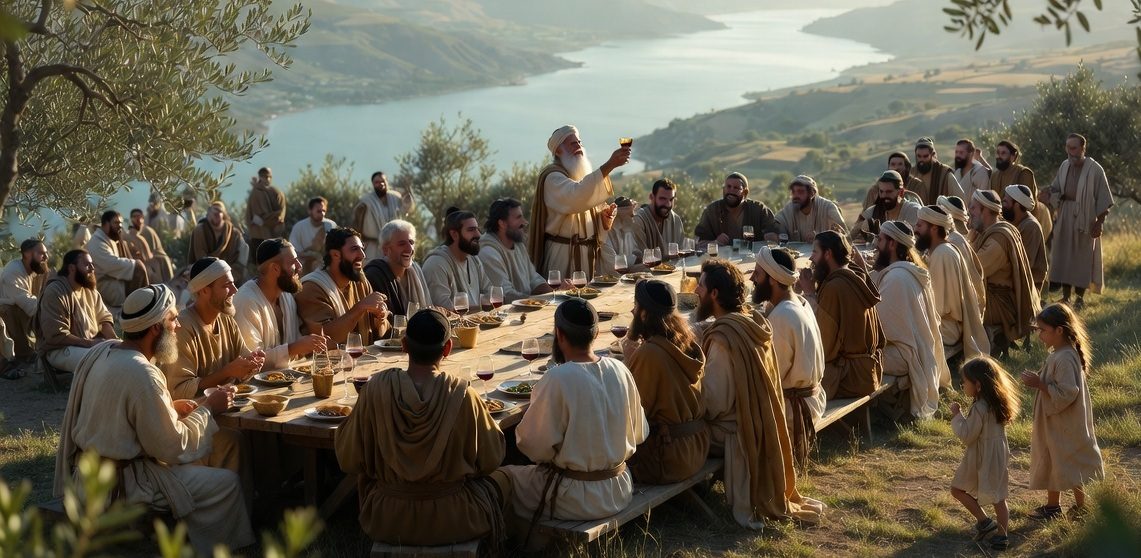
The Hebrew verb asu places the task of construction on the entire assembly. No condition defers it until the arrival of the mashiach. The Sages detail how the people brought gold, silver, fabrics and skill without reference to a future figure performing the labor. Rambam rules this as a positive commandment binding in every generation in Hilchot Beit HaBechirah. The mitzvah to prepare a house for offerings and festivals stands independent of any redeemer. The wording functions today with the same force because the command addresses the nation whenever conditions allow its fulfillment.
The Mashiach Completes, He Does Not Replace
Rambam in Hilchot Melachim describes the mashiach as one who will rebuild the beit hamikdash and gather the exiles. That description confirms identity after the work advances. It does not suspend the standing obligation on Israel. The redeemer joins and completes what the people begin through their own actions. Reading the passage in isolation creates the misunderstanding that the mashiach must start everything. The full framework shows partnership built on prior obedience.
Midrashic sources emphasize this shared role. One tradition interprets Exodus 15:17 to mean the future sanctuary comes established by the hands of Hashem yet leaves the gates for Israel to attach. The people thereby gain their portion in the mitzvah instead of receiving a completed structure from heaven. These teachings clarify the halachic principle of active partnership. They extend the plain commands rather than stand as mere narrative.
Delay Brought Consequence in the Wilderness
The Bible records the consequences when the people delay or refuse direct instructions. The scouts sent to survey the land returned with a report of fortified cities and strong inhabitants. Ten of them urged the congregation to turn back. The people wept and proposed returning to Egypt. Hashem decreed that that entire generation except Caleb and Joshua would die in the wilderness. Their refusal to advance despite the command already given fixed the outcome. The text leaves no ambiguity about the cost of hesitation.
The episode at Kadesh Barnea repeats the lesson. The people demanded water. Hashem instructed Moses to speak to the rock. Moses struck it instead. The miracle of water still came yet the personal consequence fell on Moses. He would not enter the land. Even when provision arrives the deviation from the precise command carries lasting result.
Cycles of Inaction in the Time of the Judges
In the period of the judges the pattern becomes cyclical. The people abandon the commands to drive out the remaining inhabitants and serve Hashem alone. They intermarry and adopt local gods. Oppressors rise and dominate until the nation cries out. Leaders such as Deborah or Gideon then act decisively. The text records years of suffering directly tied to the earlier inaction. Deliverance comes only after return to obedience. The delay itself becomes part of the punishment.
One Man’s Zeal Amid National Failure
The account of Phinehas at Baal Peor brings the contrast into sharp focus. The people turn to idolatry and immorality with Moabite and Midianite women. A leader from the tribe of Simeon brings a Midianite woman before the assembly in open defiance. The congregation stands weeping at the entrance to the tent of meeting yet mounts no collective response to the breach. Phinehas rises from among the assembly. He follows the pair into the tent and executes judgment with a spear. The plague that already claimed twenty-four thousand lives stops immediately. Hashem declares to Moses that Phinehas turned back His wrath because he was zealous with the zeal of Hashem among them. The covenant of peace and perpetual priesthood go to Phinehas and his descendants.
Even with the miracle that halts the deaths the text offers no celebration for the majority that stood by. The hero receives honor precisely because the community failed to meet the commands already issued. The record of twenty-four thousand lost stands as testimony to the cost of collective inaction. Salvation through the zeal of one man underscores the embarrassment of the many who did not act. Hashem states the outcome plainly in the text. The miracle confirms the obedient response. It does not excuse the delay that made the intervention necessary.
Saul’s Premature Action and the Return from Babylon
The days of King Saul supply another example. The people face the Philistines at Michmash. Saul waits for Samuel to offer the sacrifices. When Samuel delays Saul offers them himself in violation of the command. The kingdom begins to slip from his line. The miracle of victory still comes later through Jonathan but the earlier disobedience sets the trajectory of decline.
The return from Babylon shows the same principle. The exiles rebuild the altar and lay the foundation of the Temple under Zerubbabel and Joshua the high priest. Opposition arises and work stops for years. The prophets Haggai and Zechariah confront the people. They live in paneled houses while the house of Hashem lies waste. The people resume only after heeding the rebuke. Prosperity and protection follow the renewed effort. The delay extended the hardship. The text records the divine displeasure with inaction even after return to the land.
The Command to Establish Justice
The Torah also commands the appointment of judges and officers in every generation.
Judges and officers shall you appoint in all your gates that the Lord your God gives you, for your tribes, and they shall judge the people with righteous judgment. (Deuteronomy 16:18)
This obligation does not wait for the mashiach. Many today speak of waiting for the mashiach to reestablish the Sanhedrin. The plain text places the responsibility on the people to set up systems of justice now. The Sages and later authorities treat this as an ongoing duty. Deferral contradicts the direct wording.
The Step That Brings the Miracle
The consistent thread across these accounts is that the mashiach completes rather than initiates. The people receive nothing for standing still. It is the step into the water that brings the miracle. The forward movement in obedience creates the opening for divine intervention. Waiting in place produces no praise in the text. The Bible presents zero obedience and zero honor in sitting out the commands.
This framework speaks directly to every generation. The obligations to establish justice, settle the land, prepare the sanctuary, and appoint proper authority rest on the nation. The mashiach arrives in the context of work already advanced. The Tanakh shows redemption unfolding through human steps aligned with the commands rather than in spite of them. Those who act write their portion into the story of fulfillment. The record left by hesitation remains as warning and instruction.
The path forward lies in the same pattern established from the wilderness onward. The commands stand clear. The text calls for response now because that is how the Bible shows the process works. The mashiach completes what the people begin. The step of obedience today opens the way for everything that follows.